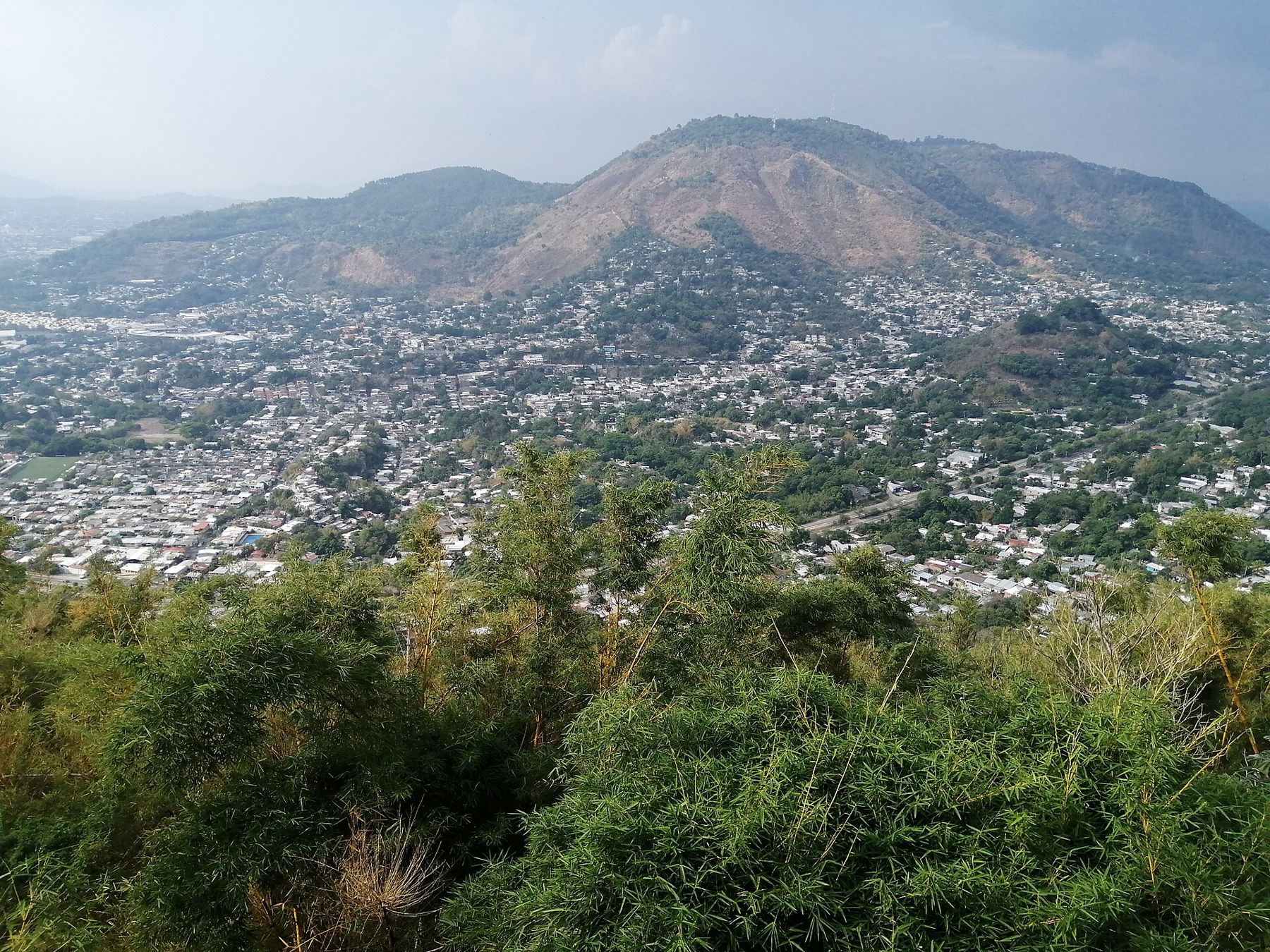
El Salvador lies in the tropics, so the year is shaped by rain rather than by summer and winter in the northern sense. There is a dry season and a rainy season, and Salvadorans, confusingly for visitors, often call the dry months summer and the wet months winter. In the west, though, the season is only half the story. The region rises from the Pacific shore to the rim of the Santa Ana volcano at over 2,300 metres, and the height you are at shapes the weather as much as the date.
The dry season
The dry season runs roughly from November to April. Days are mostly sunny, skies are clearest early in the season, and rain is rare. This is the most popular time to visit, and for good reason: views from the volcano rims and the rim of Lake Coatepeque are at their best, trails are dry and roads are easier.
The season changes as it goes on. November to January are fresh and clear, with cool nights in the hills and the flowers out along the Ruta de las Flores. By February and March the land is drying out, the hills turn brown in places and haze builds, partly from dust and partly from smoke from burning fields. March and April are the hottest months of the year, especially in the lowlands, before the first rains break the heat.
The rainy season
The rains usually arrive in May and last into October. The typical pattern is a bright morning, clouds building around midday and a heavy storm in the afternoon or evening, often with thunder, followed by a clear night. Many days are perfectly usable if you start early and plan to be under cover later.
In some years, longer spells of rain set in for days at a time, especially later in the season when storms on the Pacific bring prolonged downpours. These can cause flooding and landslides, close roads and make mountain trails unsafe. In the middle of the rainy season there is often a drier spell of a few weeks, but it does not come every year. The countryside is at its greenest in the wet months, waterfalls such as the Siete Cascadas near Juayúa are at their fullest, and there are fewer visitors.
Height matters
The single most useful thing to know about the weather in the west is that it gets cooler as you go up. Sonsonate and the coast are hot all year. Santa Ana, at about 650 metres, is warm by day and pleasant in the evening. The Ruta de las Flores towns, from about 1,000 metres at Juayúa to around 1,450 metres at Apaneca, are fresh and can be chilly at night. Cerro Verde and the volcano rims, at 2,000 metres and above, can be cold and windy in the early morning, especially in December and January.
That means packing for several climates on one trip, and sometimes in one day. A morning on the Santa Ana volcano can call for a fleece and gloves; the same afternoon at Lake Coatepeque calls for swimwear and sunscreen.
Holidays, harvests and flowers
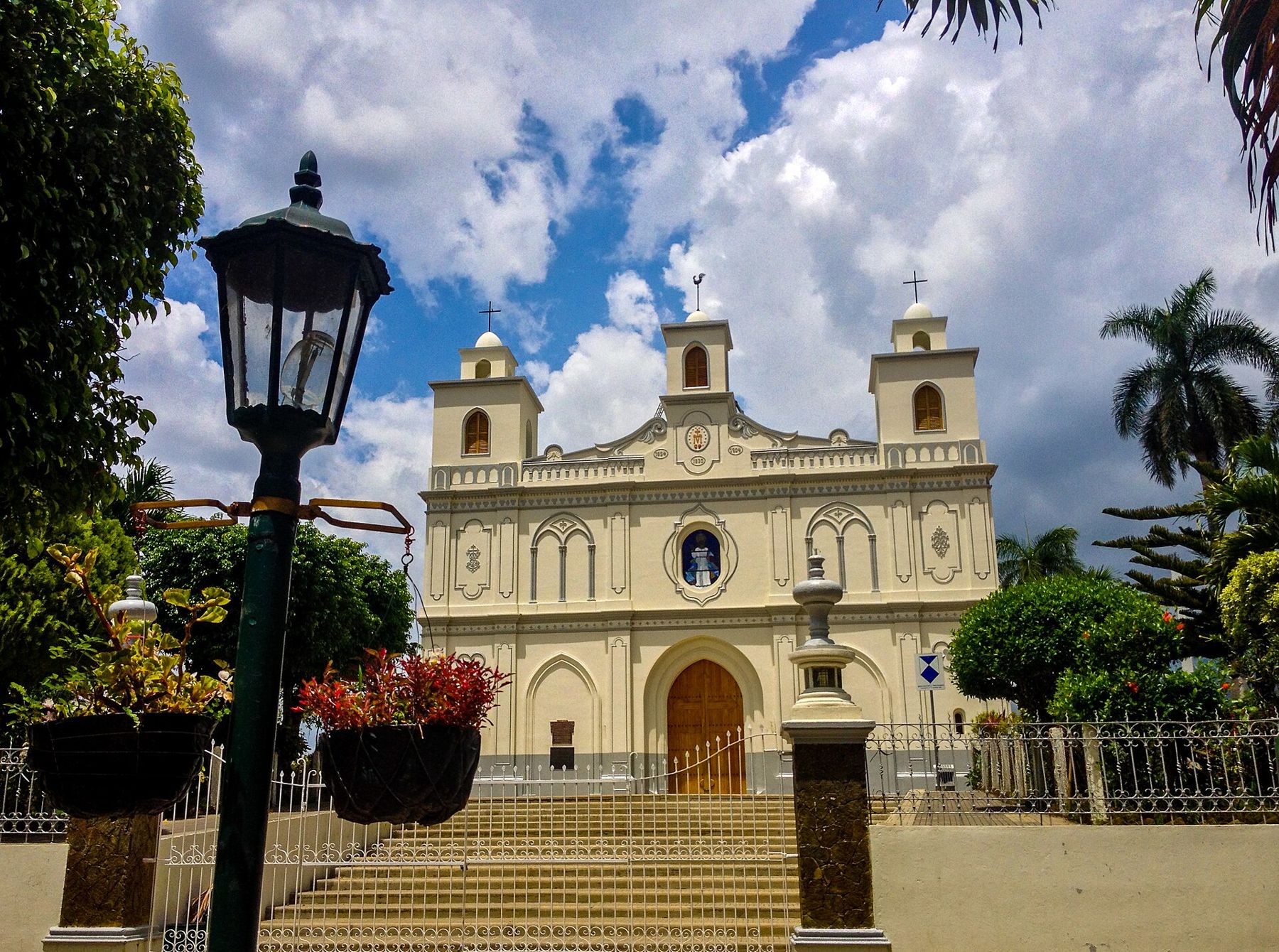
A few dates shape the calendar. Holy Week, the week before Easter, is the biggest holiday of the year: towns hold processions, some lay carpets of coloured sawdust in the streets, and beaches, lakes and buses fill with Salvadorans on holiday. The first week of August brings national holidays centred on San Salvador's patron saint, and Christmas and New Year are busy too. If you travel at these times, plan ahead and expect crowds.
Each town also has its own patron saint's festivities, from Santa Ana's in late July to Juayúa's in January, with processions, music and fairs. The coffee harvest runs through the dry months, roughly from late in the year into the first months of the next, and the flowers that give the Ruta de las Flores its name are at their best from around October into the start of the year.
What to pack
- Layers: a warm fleece or jumper for the hills, light clothes for the lowlands
- A light rain jacket, essential from May to October and useful all year
- Sun protection: a hat, sunscreen and sunglasses
- Shoes with good grip for volcano trails and cobbled streets
- Insect repellent, especially in the rainy season and on the coast
- A reusable water bottle
- Small US dollar notes; large notes are hard to use for buses and stalls
El Salvador uses the US dollar, and the plugs and voltage are the same as in North America. Health advice, including on mosquito-borne illnesses, changes over time, so check current guidance before you travel.
Check before you go
Some things change too often to set down here. Before your trip, check current official travel advice for El Salvador, entry requirements and any fees, opening arrangements for parks and archaeological sites, and the state of the volcanoes, as summit access can close when activity rises. In the rainy season, check the forecast and any warnings before heading into the mountains or along the coast.
If you can choose, the early dry season, from November to January, gives the best balance of clear skies, cool hills, flowers and the coffee harvest. But the west rewards a visit in any month, as long as you come prepared for both the sun and the rain, and for the cold at the top of the hill. The page on getting around the west covers how to move between it all.
Coffee note
The coffee harvest sets the rhythm of the dry months in the west. From late in the year into early spring, pickers work the slopes and mills run.