Coming up from Sonsonate, the first towns on the Ruta de las Flores are Nahuizalco and, a little higher, Salcoatitán. They are less visited than Juayúa or Ataco, and they feel different: lower, warmer, and more closely tied to the Indigenous Nahua, or Pipil, history of western El Salvador. Nahuizalco is known for its crafts, especially furniture and baskets woven from wicker and natural fibres, and for an evening market lit traditionally by candles. Salcoatitán is a small town with a quiet square and an old church, a pleasant stop on the way up the hill.
Nahuizalco, a Nahua town
Nahuizalco was a Pipil settlement long before the Spanish conquest, and it still has one of the largest Indigenous populations in the country. Nahuat, the language of the Pipil, survives here among a small number of older speakers, and there have been efforts in the region to teach it to younger people. The town's name comes from Nahuat, as do the names of most places in these hills.
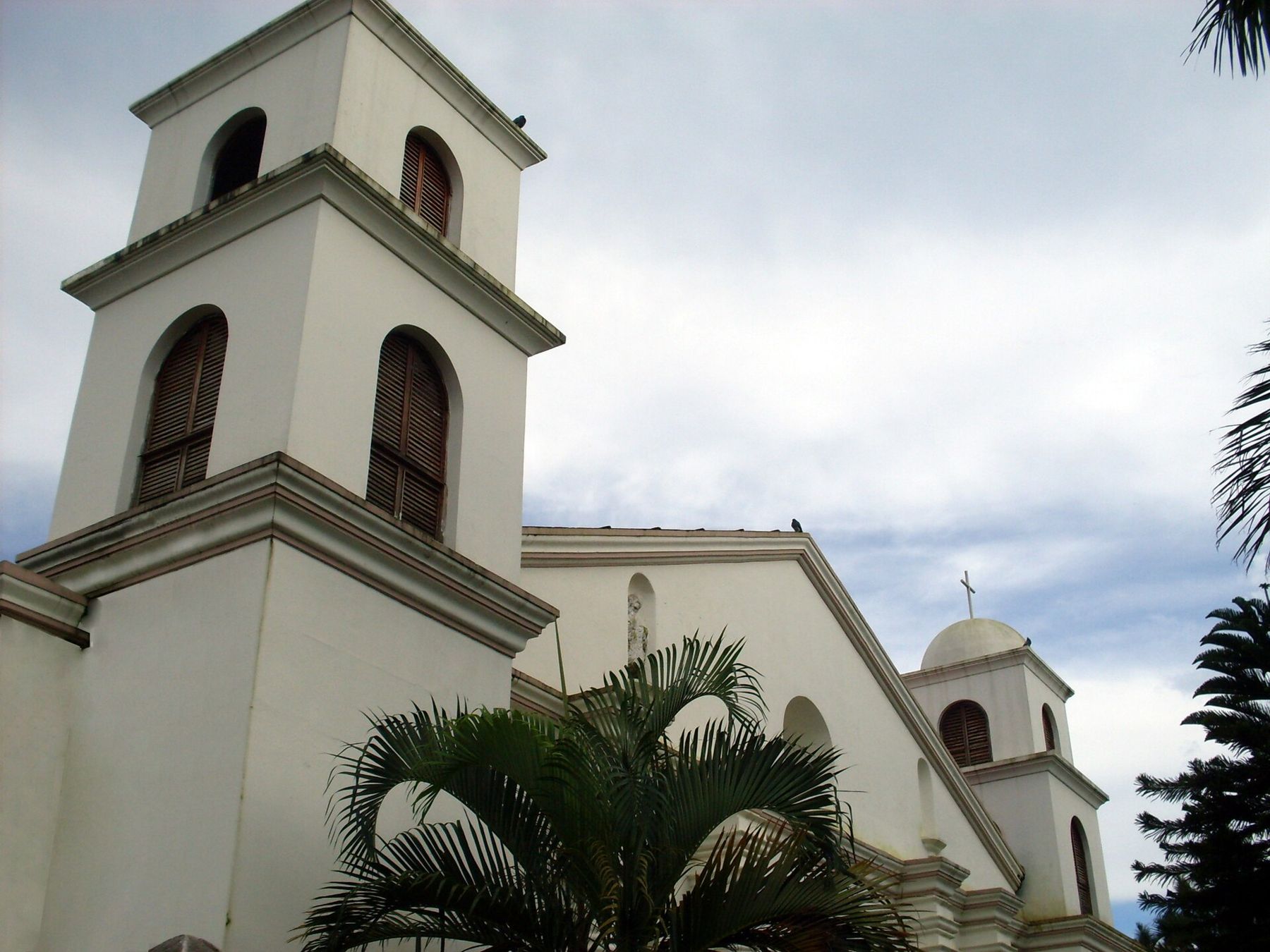
The centre is built around a park and the church of San Juan Bautista, a tall white building with square bell towers and arched openings. It is a working parish and the focus of the town's religious life, including its patron saint's festivities. Visit respectfully and avoid wandering during services.
Wicker, wood and the workshops
Nahuizalco's reputation rests on its craftspeople. Families in and around the town weave furniture, baskets, mats and other pieces from wicker, reed and plant fibres, often in small workshops attached to their homes. Chairs, tables, lamps and decorative pieces line the roadside on the way into town, and you can often watch the work in progress: frames being bent into shape, strands woven tight, finished pieces left to dry in the sun. Wood carving and other crafts are made here too.
Buying directly from the workshops is the most rewarding way to shop. Prices are in US dollars and are usually fair; a little friendly bargaining is normal for larger pieces, but there is no need to push hard. If you are tempted by furniture, think about how you will carry it home before you buy.
The candlelit market
In the evening, Nahuizalco has a market where vendors sell food and goods by the light of candles, a custom that has made the town known well beyond the region. Stalls offer local dishes, tamales, sweets, drinks and fruit, and the light of the candles over the stalls gives the market a warm, quiet atmosphere quite unlike the bustle of the weekend fair in Juayúa. How many stalls set up, and how many still use candles rather than electric light, varies with the day and the season, so ask in town about the current arrangements and check before you go.
1932, told plainly
Nahuizalco, along with Izalco and Juayúa, was at the centre of the events of January 1932. After the collapse of world coffee prices, rural workers in the west, many of them Indigenous, rose up against landowners and local authorities. The uprising was put down within days, and the government's response, remembered as La Matanza, the slaughter, killed thousands of people across the region in the weeks that followed. Many of the dead were Indigenous men from these towns.
The killings had lasting effects. For decades afterwards many families stopped speaking Nahuat in public and set aside traditional dress, fearing that being identified as Indigenous was dangerous. The memory has been carried quietly in these communities, and in recent decades it has been spoken about more openly, with commemorations held in the region. As a visitor, it is enough to know this history and to keep it in mind as you walk the streets; the coffee story behind it is told in how coffee built Santa Ana.
The memory has been carried quietly in these communities, and in recent decades it has been spoken about more openly, with commemorations held in the region.
Salcoatitán
A short way up the road toward Juayúa, Salcoatitán is one of the smallest towns on the route. Its name is often linked to Quetzalcoatl, the feathered serpent of Mesoamerican tradition. The town has a small central park and an old white church facing it, and the streets around the square hold craft stalls and places to eat, livelier at weekends when visitors pass through on their way between the larger towns.
It is not a place for a long stay, but it rewards a short stop: a walk around the square, a look inside the church and a coffee before heading on to Juayúa, a few minutes further up the hill.
Practical notes
Both towns lie on the road from Sonsonate up to the Ruta de las Flores, and buses running along the route pass through them; route numbers and timetables change, so check before you travel and see the notes on getting around the west. With a car, you can visit both in a morning and continue to the higher towns in the afternoon.
- Visit Nahuizalco's workshops in daylight and stay on for the evening market.
- Carry small US dollar notes for crafts and food.
- Nahuizalco is warmer than the high towns; bring water and a hat.
- Ask before photographing people at work, and respect a no.
Conditions in El Salvador have changed a lot in recent years; check current official advice before you go, especially if you plan to be out in the evening, and ask locally about the market. The dry season, roughly November to April, has the steadiest weather, and the flowers along the road are at their best around its start.
Coffee note
Nahuizalco sits below the main coffee belt, but the farms begin on the slopes just above it, and many families here have long worked the harvest in the hills.